Central vs state government jobs: who recruits, and how they differ
Which bodies recruit for central and for state government jobs — UPSC, SSC, the railway boards, IBPS, state commissions and police boards — and how pay, posting, language and domicile differ.
By the Sarkari Posts editorial team · Updated · 7 min read
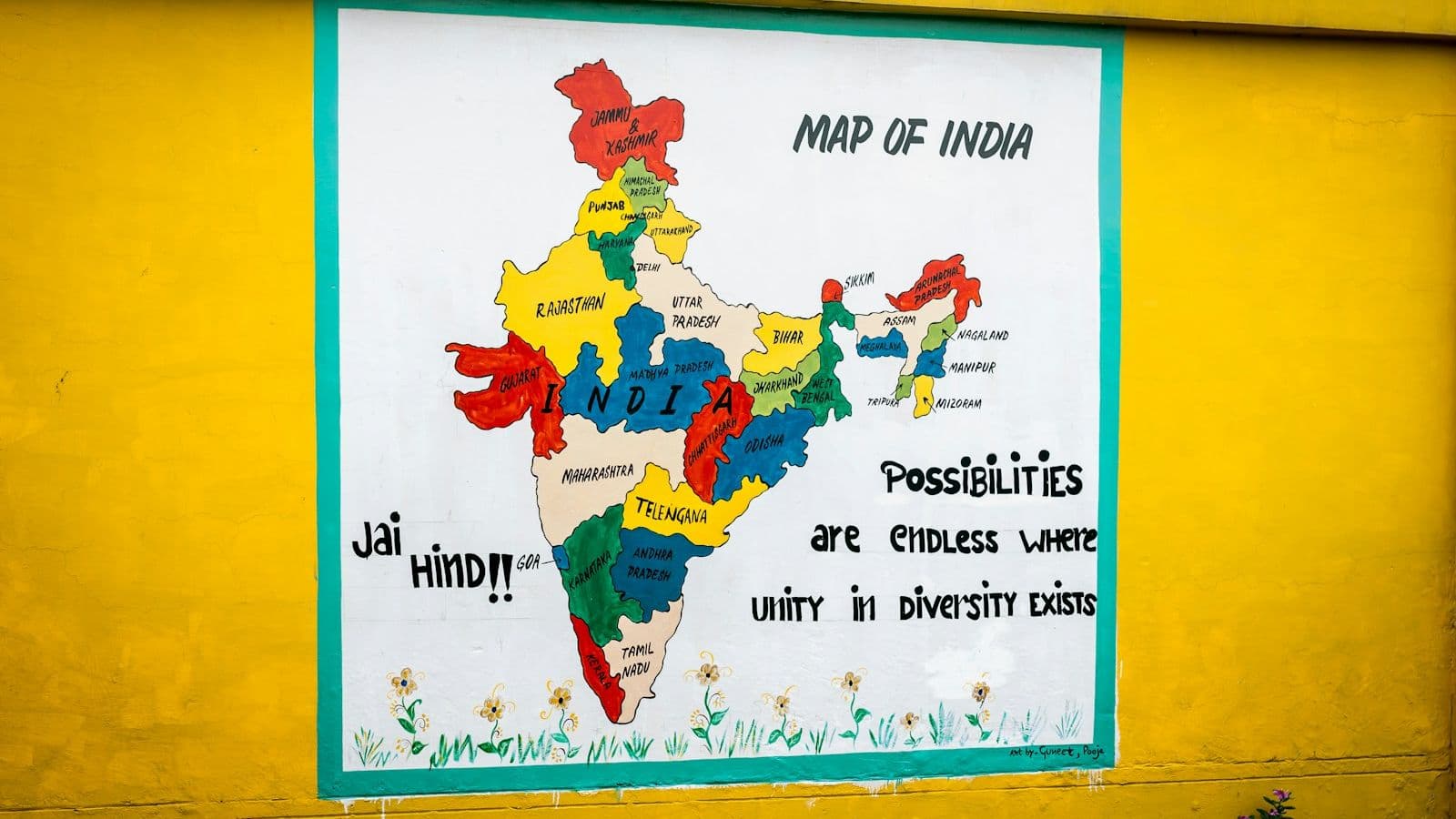
Government jobs in India come from two sets of employers. The central government — the Union ministries and departments, the railways, the armed forces and the organisations under them — recruits for posts across the country. Each state government recruits separately for its own departments, police and district offices. The two use different recruiting bodies, pay structures and eligibility rules. This guide sets out who recruits on each side, how the jobs differ, and how to decide where to apply.
Who recruits for the central government
Union Public Service Commission (UPSC)
UPSC is set up under Article 315 of the Constitution. It makes direct recruitment to Group A and gazetted Group B posts of the central government and the union territories. It is best known for the Civil Services Examination, but it also conducts the National Defence Academy and Combined Defence Services examinations, the Central Armed Police Forces (Assistant Commandants) examination, and recruitment to individual posts by advertisement — a scientist for one ministry, a veterinary officer for a union territory.
Staff Selection Commission (SSC)
SSC fills Group B and Group C posts in central ministries, departments and their offices. One Combined Graduate Level notification covers posts in the Central Secretariat Service, the Intelligence Bureau, the Ministry of Railways and many other offices. SSC also recruits constables for the Central Armed Police Forces.
Railway Recruitment Boards and Cells
The Railway Recruitment Boards (RRBs) are regional boards under the Ministry of Railways. They recruit the railways’ Group C working and supervisory staff through Centralised Employment Notices (CENs), published together on the boards’ websites; recent CENs have also covered Level 1 posts, the former Group D. Railway Recruitment Cells (RRCs), attached to the zonal railways, run other recruitment for their zone, such as sports-quota posts, and handle later stages of some Level 1 recruitment.
Armed forces and the central armed police
Each armed service recruits its own personnel below officer rank; the Army and the Navy currently do so through Agniveer entries on their recruitment websites. Officer entry includes UPSC’s NDA and CDS examinations as well as entries the services run themselves. For the Central Armed Police Forces — BSF, CRPF, CISF, ITBP and SSB — UPSC recruits Assistant Commandants (Group A) and SSC recruits constables.
Public sector banks: IBPS and SBI
IBPS, the Institute of Banking Personnel Selection, is an autonomous institute set up by the Reserve Bank of India, central financial institutions and public sector banks. It is not your employer. It runs Common Recruitment Processes (CRPs) for a group of participating public sector banks; the bank you are allotted to makes the appointment. State Bank of India is not among the participating banks in IBPS’s clerical recruitment — SBI recruits through its own Central Recruitment & Promotion Department and publishes notices on its careers page.
Central PSUs and institutions
Central public sector enterprises such as NTPC recruit directly and advertise on their own career pages; some use an outside agency, IBPS among them, to conduct the test. Central institutions — AIIMS, the IITs, CSIR laboratories — also publish recruitment notices on their own websites, so you have to watch each one you are interested in.
Who recruits for state governments
- The State Public Service Commission. Article 315 provides for a Public Service Commission for each state, and lets two or more states share a joint commission. The state PSC recruits for the state’s senior services — Tamil Nadu’s Group I examination, for example, fills posts such as Deputy Collector and Deputy Superintendent of Police — and for other posts the state assigns to it.
- A subordinate or staff selection board. Many states have a separate body for lower-level posts, and its name differs by state. In Haryana it is the Haryana Staff Selection Commission, which makes initial appointments to non-gazetted Group C posts; in Odisha it is the Odisha Sub-ordinate Staff Selection Commission.
- A police recruitment board. Many states recruit police through a separate board, such as the Uttar Pradesh Police Recruitment & Promotion Board, or the Tamil Nadu Uniformed Services Recruitment Board, which also recruits for the state’s fire and rescue and prison departments.
- District administrations. Collectorates and district offices advertise their own posts — data entry operators, staff for schemes and local offices — very often on a contractual basis. These notices appear on the district’s official website.
How the two differ
| Aspect | Central government | State government |
|---|---|---|
| Recruiting body | UPSC, SSC, the RRBs, the armed forces, and organisations recruiting directly | State PSC, a subordinate or staff selection board, a police board, district offices |
| Pay | A Level in the central pay matrix, currently the one introduced after the Seventh Central Pay Commission | The state’s own pay structure, revised by its own pay commission; its level numbers do not match the central ones |
| Posting and transfer | Often all-India service liability — you can be posted anywhere in the country | Within the state; some posts are district cadre |
| Language | Set by each notification; state-wise recruitments, such as bank clerks, require the local language of the state you apply for | Often requires the state’s official language — Tamil Nadu asks for “adequate knowledge in Tamil”, shown through school records or a language test |
| Domicile and local reservation | Open to citizens from any state; reservation needs certificates in the central format | Reservation benefits can be limited to people who belong to the state |
| How often | UPSC and SSC publish calendars of their examinations in advance | Varies by state; check whether the commission publishes a calendar |
A Tamil Nadu notification can list a post at “Level 22”: a level in Tamil Nadu’s own pay structure, not the central matrix, so the numbers cannot be compared. Our guide to pay levels explains how to read them. SSC’s graduate-level posts carry all-India service liability, though the department may allot you a state or zone on selection.
Between the two: PSUs and banks
Public sector banks and central PSUs belong to the public sector but are not government departments. An IBPS clerk notification quotes a bank scale of pay, with allowances “as per rules of the Participating Bank”, rather than a pay matrix Level. Bank clerical recruitment is also organised state by state: you apply for vacancies in one state or union territory and must be proficient in its specified local language. SBI’s junior associate notification adds that there is no inter-state transfer before five years of service.
Contractual and regular posts
A regular post is filled under the service’s recruitment rules, with regular pay, a probation period and the service’s conditions. A contractual post is filled for a fixed term or for the life of a scheme, and its pay may be a fixed monthly amount. Look for the words “contract”, “contractual”, “temporary” or “fixed term” in the notification. Unless it says otherwise, do not assume a contractual post will become a regular one.
How to choose where to apply
- Mobility. If you want to stay in your home state, state posts and district-cadre posts suit you; central posts can take you anywhere.
- Language. If you read and write your state’s official language well, state recruitments and state-wise bank recruitments are open to you. If not, check the language clause before you pay a fee.
- Age and qualification. Limits differ between bodies and between posts in the same notification. See age limits and relaxation.
- The source. Real recruitment is announced by the recruiting body on its own website. Anything else deserves the checks in our guide to spotting fake job offers.
Whichever side you choose, the notification decides your eligibility. Our guide on how to read a notification shows what to check first, and the documents checklist covers what to prepare.
Browsing on this site
Sarkari Posts is an independent aggregator, not a government site; every listing links to the official notification it came from. You can browse central government jobs and state government jobs separately, pick your state from the list of states, or follow a single recruiting body through the organisations list.
Sources
- Union Public Service Commission · upsc.gov.in
- Staff Selection Commission · ssc.gov.in
- Railway Recruitment Board, Chennai · rrbchennai.gov.in
- Institute of Banking Personnel Selection: overview · ibps.in
- State Bank of India: Junior Associates 2026 detailed advertisement · sbi.bank.in
- Tamil Nadu Public Service Commission: Group I notification · tnpsc.gov.in
- Haryana Staff Selection Commission: functions · hssc.gov.in
- Department of Expenditure: highlights of the 7th CPC recommendations · doe.gov.in
Checked against these official sources on . Rules change — the recruitment notification is always the authority.